
November 2025 Newsletter: Get Curious and Happy Thanksgaming
Welcome to this month’s newsletter! Each month, I try to share what I’ve been up to, what things I’ve published that month, and exciting news if there’s any to be shared.
News and updates
November has been full of novel work (more on that below) and social time for Rachel, and final projects and event planning for Ashton. Still, we’ve found time to add some new thoughts to the blog and continue collating resources for our readers. Our penultimate hub on Sapphic and Trans Femme Relationships went live yesterday, so give that a browse, and as always, let us know if you have any suggested additions!
Blog posts from this month

As Rachel prepares to teach LGBTQ2S+ Lit at Macalester again in the spring, they’ve been revisiting the curriculum to add more resilience and resistance into it. Read more on the changes they’re making and the thought process behind them. There are a lot of great authors/creators and some fun activities in there!
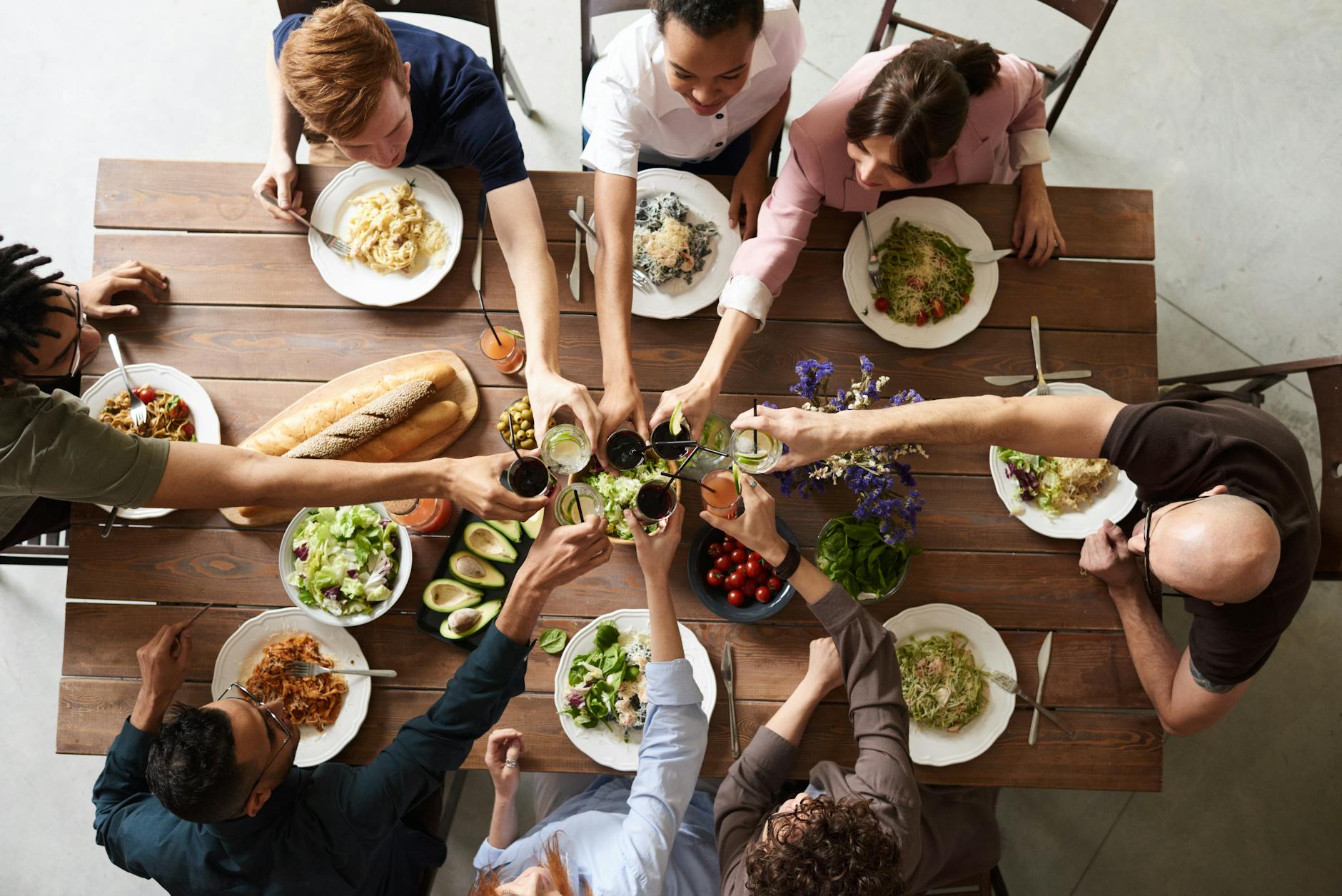
As Thanksgiving/gaming is tomorrow, we wanted to provide an updated list of tips for various types of celebrations. Queering Thanksgiving explores ways to keep yourself safe and sane, as well as some information on the unique situation LGBTQ+ individuals are in this time of year. This is another way of building resilience, and please add other recommendations in the comments there if you desire.
Get Curious, the sequel to Curious Minds, releases in the spring!
The back cover blurb for the book:
In a toxic world, authenticity fuels revolution.
Rev Dwyer is eager to learn about her new college—a place where she can finally belong. Her explorations take her into tunnels under the school, where she finds evidence of a decades-old love story and papers from a lawsuit that sought justice for students before LGBTQ civil rights laws existed. But when Rev returns to learn more, the papers are gone!
With the help of new friends, she uncovers the story of two girls who fell in love in 1989—and how their passion helped them fight harassment and the school’s administration. Rev finds deep parallels between what students faced 35 years ago and the forces organizing against her and her friends now.
As her gut problems get worse, Rev must make her own path. Sometimes resistance begins with seeking help, reaching out, and refusing to go it alone. Rev discovers that being herself means building community across space, time and difference, alongside others who have the courage to stand in their authentic experiences.
Questions with Rachel about “Get Curious”
How does this story connect to the world you built in Curious Minds?
It’s the same college setting and side characters, but we’re in a new viewpoint character’s mind. You’re getting a new voice, a new perspective on the setting, and a new perspective on the other characters.
You don’t have to read Curious Minds first, but if you did, I hope that you really loved the characters and want to see them again. I certainly had characters there that I wanted to see again and spend more time with. I also felt that Char really did not get as much of a role as I wanted her to have in the first book, so in this one, right away, she and Rev start becoming close friends.
Rev brings a kind of rebelliousness that Char wants to learn more about, and Char is a really steadying influence for Rev—she’s a year older and is providing some mentoring and support. The dynamic between the two of them becomes a great center point in the story and kind of a friend romance. They’re not romantically attracted to each other, but they’re very deeply interested in the friendship that they have.
Rev is an exciting new character for readers to meet. What inspired you to shift to a new main character while keeping the same setting?

I needed someone to find legal files in an out of the way place, because that was a core idea at the start of the book: a student finds files from a historical court case and settlement. I had this notion for someone who was really into urban exploration—wandering around, finding unusual and strange places—and for whom this was a way that she learns about a new place where she’s living.
When I cast around internally for someone like that, I started hearing Rev’s voice pretty clearly in my mind. That doesn’t always happen to me with characters, but when it does, it’s amazing.
Rev’s journey with understanding her gut issues is incredibly detailed and compassionate. What research went into depicting this experience authentically?
Most of the research is my lived experience. I have dealt with gut stuff my whole life, and I think that it’s more limiting than people might realize. It’s more complicated. There are a lot of parts to it, and it comes out in the story in really workable and interesting ways.
Among the beta readers, I had some readers with chronic issues and specifically with gut issues—and getting the response from younger readers who are still struggling with the same kinds of things really encouraged me to keep going with it.
There’s an intriguing historical element with letters from 1989 and the early 1990s. Can you talk about why that era matters to the story?
I think every historical LGBTQ era matters, but this one was easier for me to write about because I lived through it. I was a college student at that time, so it gave me a lot of built-in research to think about what I and my friends were doing from ’89 to ’93 when I was in college—what if this had happened to us or people that we knew? That made it easier when we see some of the students from that time in the present, to think about what they would be like today, because now that would be me and some of my classmates.
It also matters because that is a time towards the end of the AIDS crisis, but while it was still very much going on. I think there are a lot of parallels between the time of the AIDS crisis and the experiences of COVID and the experiences of a government that doesn’t care if it’s harming the health of LGBTQ people—or may intentionally be harming the health of LGBTQ people. So I wanted to draw those parallels and be able to talk about mentorship and intergenerational queer connections.
A short Thanksgaming bonus from Ashton
Recently, I randomly remembered a web tower defense game I used to love in middle school. Some quick googling gave me not only the name, but the knowledge that the entire premium edition was released as a download to be played offline for free. Thus, how I’ve spent a little too much of the past five days in Gem Craft: Labyrinth.
At a time when I’m focusing on trying to regain memories of my youth and putting together a cohesive personal narrative, finding this game feels like such a boon. Playing it soothes my inner child and brings a sense of connection, a moment of pulling the past into the present. I’m grateful to games for allowing this engaging way of forming connection, whether with ourselves, our communities, or our histories.
Stay tuned next month for more blog posts, our final resource hub, and another newsletter. Thanks for being a reader!
Reading this post on the blog? Enter your email to receive future newsletters right to your inbox! And encourage your friends to subscribe if you think they’d enjoy.
No Comments