April 2026 Newsletter: Get Curious and Autism Acceptance Month
Welcome to this month’s newsletter! Each month, I try to share what I’ve been up to, what things I’ve published that month, and exciting news if there’s any to be shared.
News and updates
We’ve both been quieter as we deal with the wrapping up of a semester and the ongoing struggles of staying well in our current environment. We have one new blog post to share, and some exciting info about Get Curious, the sequel to Curious Minds, releasing May 19th!
Blog posts from this month
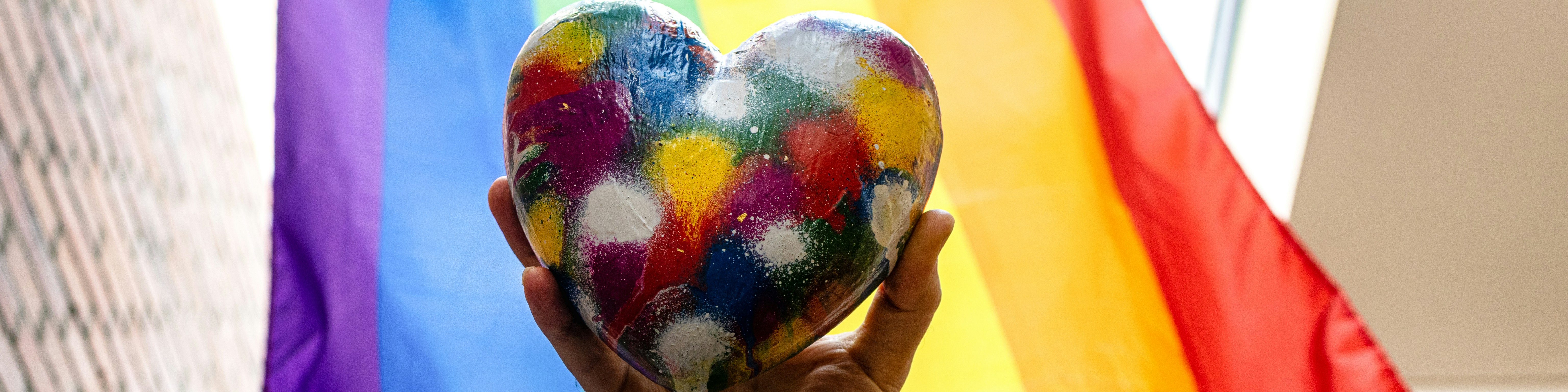
April is Autism Acceptance Month, so Ashton shared some thoughts about the overlapping of autism and LGBTQ+ identities. They also explored the unfortunate reality of ableism in queer spaces and what we can do to make spaces more welcoming of Autistic folks.

Preparing to Get Curious
My new novel, Get Curious, is available May 19! In it, you’ll get to spend more time with the cast of characters from Curious Minds—with a new main character who has a gift for finding secrets.
Find out more and pre-order if you’d like.
The cover for Get Curious features custom art that depicts two of the characters central to the mystery of the novel. To create this, I worked with Stuff Stud.io, who brought this vision to life with great skill and not much time. Below we talk about the process of creating the cover—and Stuff’s background as an artist.
StuffStud.io is a Black, Queer, multidisciplinary artist, ancestor in training, and recovering academic. Best known from decades of work in southeast Minnesota as a mentor, an advocate, a grant writer, and a Somatic and Narrative psychotherapist—she’d just tell you that her advanced degree is in listening to stories and helping them grow feet. Learn more at StuffStud.io.
Creating the cover
Rachel: We began talking about the cover because my first idea did not work. I had photos of my main character and a whole notion of putting her in front of some tunnels, because that’s pretty important in the book. But none of the graphic design folks I know could make that look good.
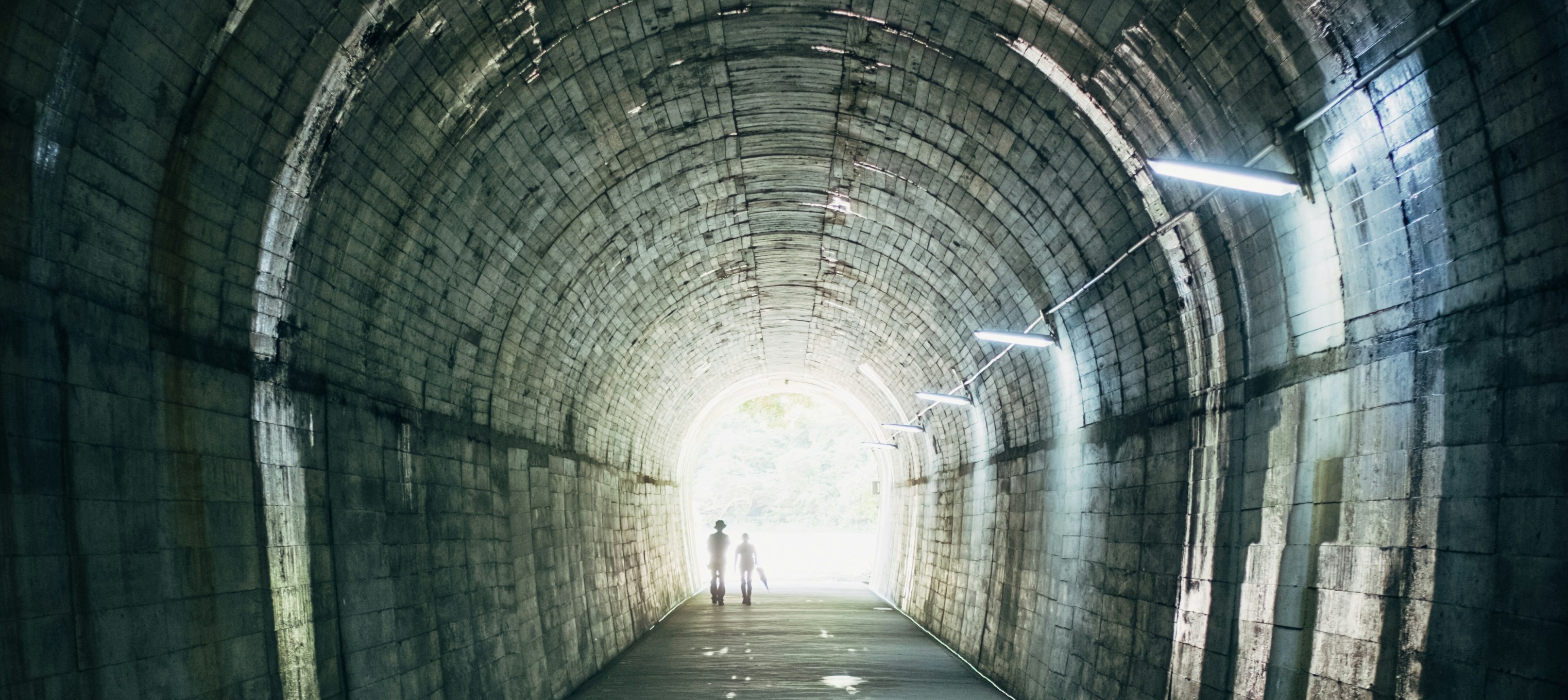

Stuff: I loved the idea, but the size parameter limitations that you had didn’t allow your vision to come through the way that you wanted it to.
Rachel: It did not look like a cover anybody wanted to pick up. You and I had already worked together on the Sinister Wisdom cover. Kind of in a similar situation: the cover that was proposed wasn’t evoking the sense of the anthology. I think you asked: “What would you want it to be?” And we got excited.
Rachel: This is a good jumping off point to talk about the fact that you have done visual art for a long time. When did you start doing visual art?
Stuff: Whenever I could pick up a crayon. I always had art in my life. My mother was an artist, and I looked at what she was doing. I thought that was really cool. When you’re growing up and three and four years old and learning how to read, it’s picture books. With words and stories there’s also art. For me, that always went together, storytelling and art have always been intertwined.
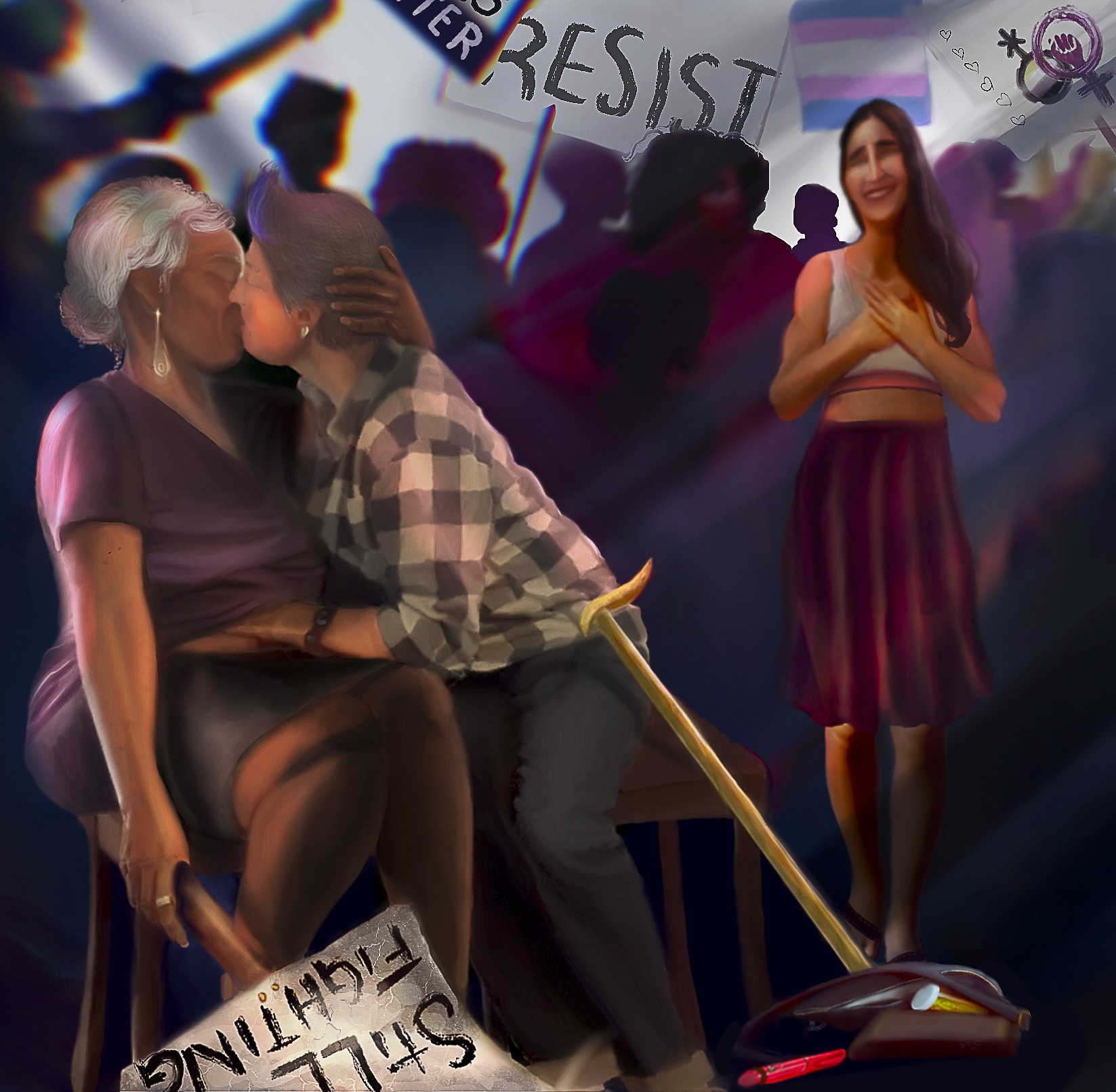
Rachel: And you do a lot of cool mixed media stuff. When did that start?
Stuff: High school. I was very eccentric at the time and would find stuff and be like: “oh, I’m going to save this. I can make an art with it.” That’s the beginning of my creative hoarder days. There’s something about making things out of random objects or putting things together that shouldn’t be together—and creating a story with it. A story that really embodies who I am or my experience or something culturally. There’s some epigenetic in there, right? Putting together scraps to make something beautiful, I think is at the core of who I am.
Rachel: That really worked with this book cover, because it was based on a hypothetical work of art that was multimedia. When I was thinking about this piece of art that becomes important to the main characters, your art was one of the sets of art in my mind.
Stuff: Well that’s neat.
Rachel: I got to watch you put together the art for the Familiar | Unfamiliar exhibit, which showed me some kinds of art that I hadn’t seen you do yet. I had seen you sketch, but I hadn’t seen you do mixed media.
Stuff: I hadn’t done it in a long time. I was getting bored of the exact photo realism that my art was starting to turn into, which is lovely because art should evolve. I missed the messy, scribbly, bunched together with glue art. I missed that because it was back in a time where I was feeling like I was creating with a lot of joy. Not that I want to get rid of the perfectionism entirely, but sometimes it’s important to be able to loosen the grip. I think that’s a part of what led me to back away from just picking up a pencil, doing something that I’m not super comfortable with anymore.
Rachel: Also I suspect audiences are pretty hungry for art that looks really human these days.
Stuff: I was thinking about that, too. I’ve been doing digital art since about 2006, and that wasn’t a big deal back then. I was opening MS Paint and doing pixel art because I thought it was cool. Then the AI art started coming out and I started feeling some kind of way about it because art that would take me like 40 hours or more—people are typing in prompts and it’s done. Now people are always squinting at art to figure out: is this art from a human or art from a machine? Also I’ve evolved more as an artist and very intentionally want to make my art look very human. I think people are hungry for that. I am.
Rachel: With things that are mixed media, it seems to me there’s more capacity to feel the emotion in it—and this is in the crumpled up maps on the Get Curious cover. There’s a painting in the story that you decided we could recreate for the cover. The fact that it was painted on maps was super important. It’s maps of the area where these events have happened that were difficult. (I’m trying to say this without spoilers.) When you said you could paint it, I ran over to Half Price Books and got a book of maps. We spent part of an afternoon tearing up maps and putting them together, putting them on top of each other and crumpling them. I think that crumpled, upside down dimensionality of the maps adds to people’s experience of the emotion of the art when they see it. And then the fact that you managed to watercolor on top of the maps effectively.
Stuff: The whole process surprised me. There’s something quite vulnerable about trying something brand new. I think the vulnerability of doing the painting is transferred into the painting.
Rachel: I would say that I saw you putting the hard work in, but I didn’t because you locked yourself in a room.
Stuff: I did lock myself in a room. But you glanced. You had moments. We had moments where we exchanged glances and peeks.
Rachel: Yes. I think it came out really great. The watercolors over the map create such a multi-dimensional effect. Then you made me promise to not have every piece of art I commissioned from you be an interracial couple on a cover which I do promise. But covers aren’t all you do. You’ve recently done an exhibit at Queermunity, taught at Curiosity Studio, and you have events coming up this summer. Where should people look to find out more about that?
Stuff: The events page of my website [linked above].
Rachel: Thanks for doing this interview! I hope readers get really excited about the art on the cover as they learn about it in the novel—and I’m looking forward to our next projects.
Now is a great time to revisit Curious Minds in preparation, aided by the reading guide.
Stay tuned next month for more blog posts, other resources, and another newsletter. Thanks for being a reader!
Reading this post on the blog? Enter your email to receive future newsletters right to your inbox! And encourage your friends to subscribe if you think they’d enjoy.
No Comments