Apr. 2025 Newsletter: What I’ve Been Up To
Welcome to this month’s newsletter! Each month, I try to share what I’ve been up to, what things I’ve published that month, and exciting news if there’s any to be shared.
News and updates
This month has been a slow self-care month for both of us. Hopefully as the weather continues to warm and summer begins, you’ll see more hub pages and updates from us!
Blog posts from this month
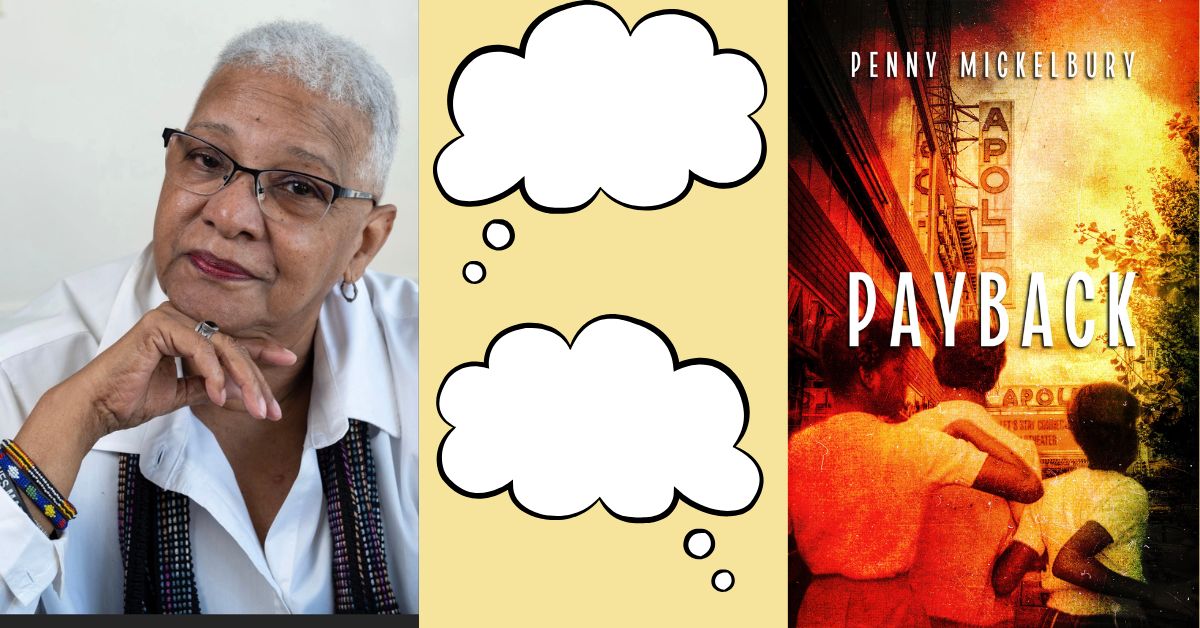
Both of our posts this month were interviews with authors and good friends. First up is Penny Mickelbury, author of many things, including her newest book Payback. In the interview, we talk about her book, what went into writing it, and what she hopes for people to take away from it. We hope you enjoy!
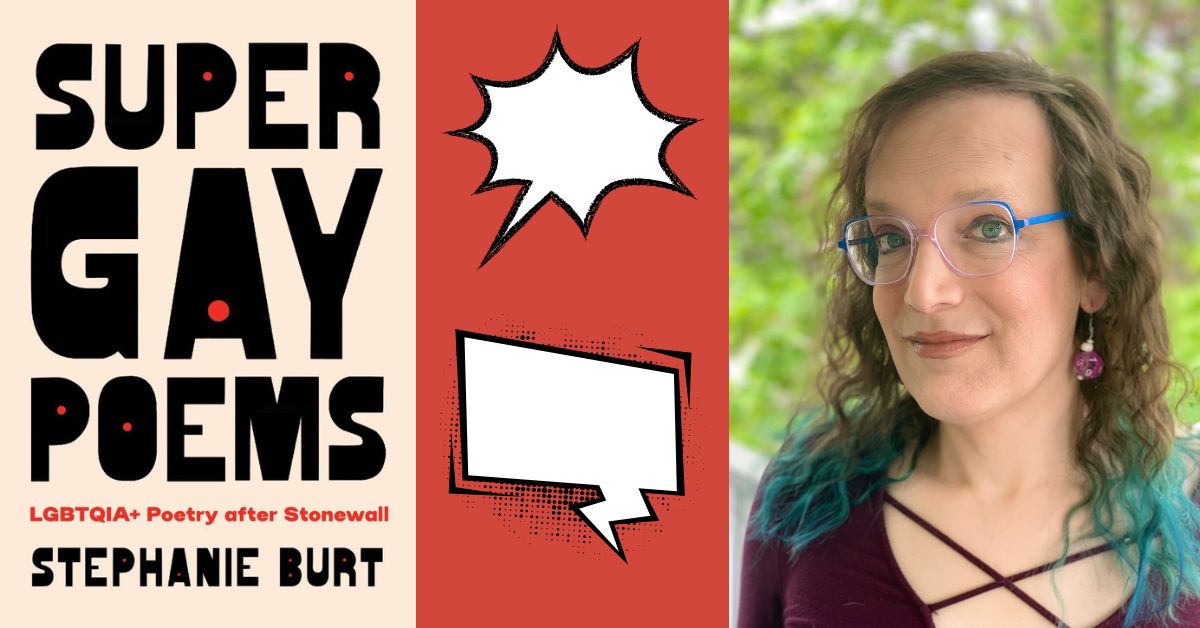
The second interview is with Stephanie Burt, poet, literary critic, professor, and one of my dearest friends. She talks about her new book Super Gay Poems: LGBTQIA+ Poetry after Stonewall. We ask her what her favorite poems in the collection are, what she thinks the power of queer/trans poetry is, and what this book means to the LGBTQIA+ community. Give it a read if you haven’t already!
Hands Down: New Writing Support Team Rocks
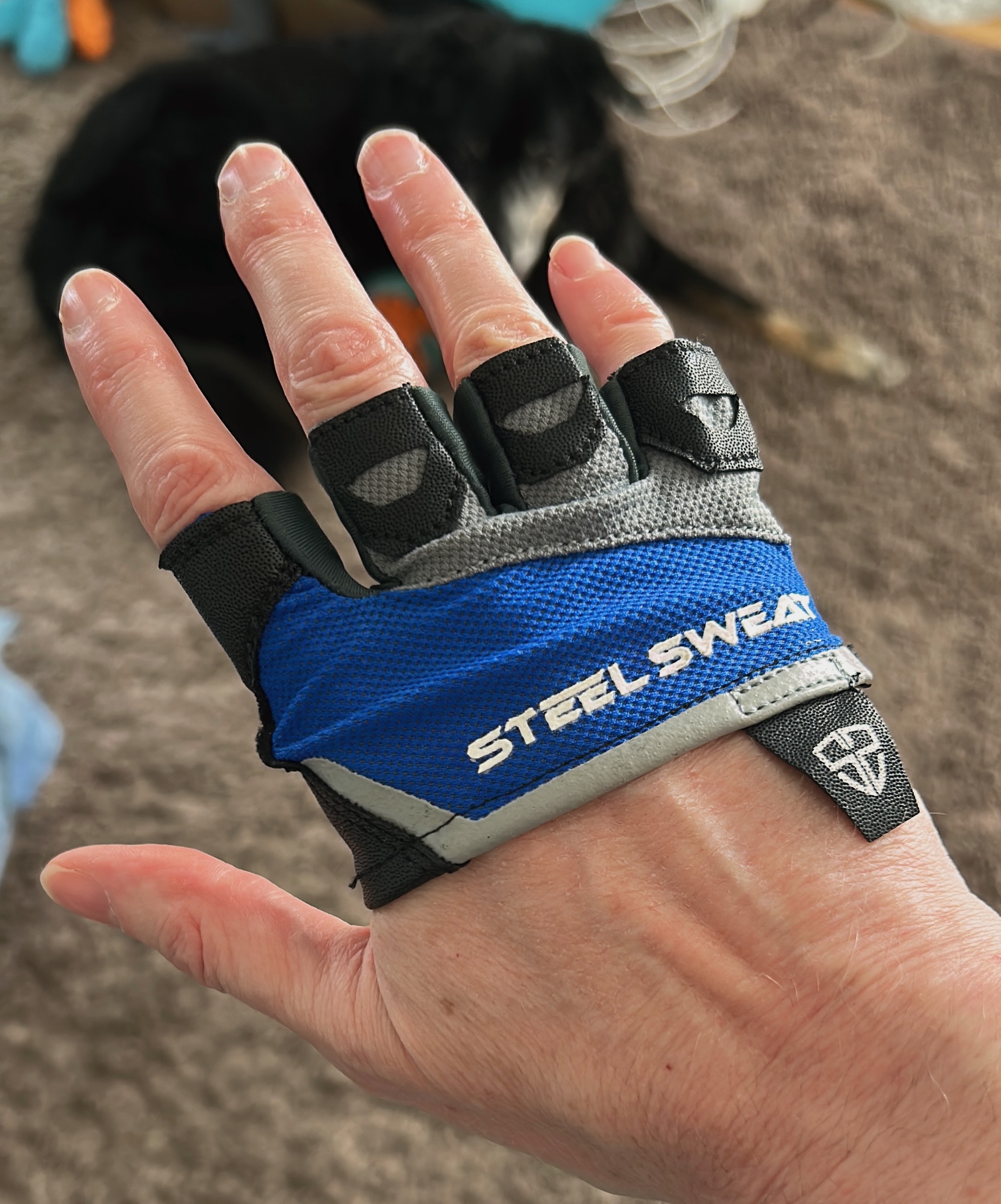
Starting in mid-March, we had some very radical weather here in Minnesota which, combined with other lifestyle factors, caused the pain, instability, and weakness in the knuckles of my hands to become much worse. (Due to hypermobile Ehlers-Danlos Syndrome, which I’ll write about more here at some point.) In the first two weeks of April, I went hardcore into finding different ways to brace my hands, taking better care of them, taking better care of my entire body, and prioritizing many kinds of rest. The situation also finally pushed me to really learn how to use voice commands, dictation, and AI to support my writing processes.
My Doctor of Physical Therapy (Anna McConville, who I highly recommend for hEDS support) has been telling me for a year and a half that I need to explore other avenues beyond typing everything, because massive amounts of typing will only exacerbate problems in my fingers. Of course, I resisted that. I learned to type in junior high school and have enjoyed typing ever since as part of my identity as a writer.
That said, I began this blog post by dictating it into my phone.
A New Writing Process
My biggest barrier to dictation and voice-to-text in the past has been having to verbally add line breaks and punctuation. Too much of that takes me out of the flow of ideas and is particularly disruptive when I’m working on scenes.
Enter my new bestie, Claude AI. Claude is an ethically-trained AI who can be prevented from using the internet and constrained to only work on documents that I give it. Plus, Claude has projects, which allow users to keep specific sets of documents together for Claude to reference, such as prompts and style guides. I created a prompt to add quotation marks to character speech, fix character name misspellings, clean up verb tense problems, but not change any other words. This means I can dictate a scene with plenty of dialogue only using the commands: new line, period, comma. Then Claude formats the dialogue for me, making it easy for me to edit the stuff that matters, like word choices, sentence rhythm, and characters actually doing stuff.

I’m in the early editing process for my next novel now, so I often have only a paragraph or two to add in a given scene. I’m using the app Diarly to dictate these into my phone. For one editing session, I use a single document in Diarly inside of a journal that is about that novel. The document includes instructions to myself about where the paragraph(s) go and then the text. This means I can have my manuscript open on my computer screen along with any reference material about what I’m adding. For example if I’m adding the description of a character’s dorm room, I can see the context for that in the screen and have one or two images of dorm rooms available–or I can cover the screen with images because I don’t need to see the manuscript. I hold the phone if I’m pacing or rest it on my chest if I’m at my sitting (reclined) desk and glance at it every so often to make sure it’s getting my words into the app.
Diarly syncs very quickly from my phone to my laptop (and is $24/year or less)–so I’m also using it for journaling and story ideas. By the time I’ve refreshed my cup of tea, all my paragraphs are available in Diarly on my laptop in a single document that tells me where each one goes. For example, I might tell myself: “add to chapter 6 as third paragraph” or “add to middle of chapter 14 to intro this character.” Then I can use an ergonomic mouse and Apple voice controls to cut and paste the paragraphs into the manuscript.
It took me about a week and a half to get used to doing this, but now I can work at about the same speed as when I was adding and editing entirely by hand. I’ve also discovered that Claude can turn my handwritten notes into a typed document that only needs minor edits, which expands the ways I can add info and descriptions to stories and other writing.
On Unmasking and Movement
A tremendous discovery I made by using dictation is that it turns my standing desk into a pacing desk – and movement is so essential to my wellbeing and clear thinking. I encourage you to pause reading here and think about the kinds of movement that support your wellbeing. Maybe make a short list and feel free to include one or two new kinds of movement you’d like to try. Here are a few ideas:
- Turn a standing desk into a dancing desk
- Dictation while taking a walk in nature
- Discover how many types of exercise you can do while lying on your back in bed
- Incorporate fidgets into your bedtime wind down routine

If you have ideas to share, please do!
I’ve been reading Devon Price’s new book Unmasking for Life and realizing how much of my life I have been praised for being still, quiet, listening, smiling, attentive, focused on the other person—and did I mention still? Now that I’m a middle-aged person with a hypermobility disorder, I can really feel in my body the impact of being someone who was incentivized to be still. (Spoiler: it mostly shows up as pain and related discomfort.)
There’s something deeply damaging about being in a culture where a significant portion of the population is incentivized to be still (and shut up, and be pretty). This isn’t only damaging to self-expression and the psyche, but has profound physical impacts, including many negative health pathways. (I’m looking at you, osteoporosis and metabolic syndrome.)
Combining Unmasking with movement these last few weeks helped me realize how much I’d still been masking in my life as a writer. My image of a successful, professional, proper writer was a person sitting at a desk for long periods of time, writing by hand. Often this person is a man. On good days, she’s Virginia Woolf, but she’s still sitting and mostly silent. I’m excited to experience the ways my writing will grow as I drop that mask and play with being a successful, professional writer (screw “proper’) who paces and dances, talks and exclaims and gestures wildly while writing.
Do you have writing techniques that look nothing like the typical movie- or TV-portrayed writer? Please share!
Stay tuned next month for more blog posts, resources, and another newsletter. Thanks for being a reader!
Reading this post on the blog? Enter your email to receive future newsletters right to your inbox! And encourage your friends to subscribe if you think they’d enjoy.
No Comments