I Know It’s Scary: Surviving as an LGBTQ+ Student
Table of Contents:
My first big coming out was in the middle of my 8th grade year. My second, before 10th grade. Then again in the first year of college. And again in 2024. And another slow, unofficial coming out somewhere in there, where I switched from using “gay” to “queer”.
I don’t remember the reactions of most of my 8th grade peers, except one. Let’s call him Steven.
At least once a month, Steven would ask me if I liked him. Like, liked him liked him. Since I was gay, I must, right? If his friends were around for this, they would all snicker, chuckle, pretend not to be listening. It was clear they were all in on it, and Steven was doing it to amuse the group. At least once, Steven also made an insult towards my sexuality.
I don’t think his friends knew why Steven was the one in the group to make this “joke.” Sometimes when he asked, they weren’t around. I could see it in his eyes then. A mixture of confusion, hope, and yearning. A yearning which cis-heterosexual people will never understand. A desire to be seen in your wholeness and be loved by even one person who will accept you.
By the time I graduated from high school, Steven still hadn’t come out. He had, however, apologized to me for his actions.
There is no right way to survive.
What Steven was doing then was LGBTQ+ survival. There were very, very few out queer students at our school, and none as loud as me. I made a great target, of course. But to students like Steven, I also represented a possibility for something else. Something different. That possibility was terrifying.
I started high school in 2016 and graduated in 2020. The first Trump administration was a constant influence on my high school years. An omnipresent fly buzzing inside my brain, unwilling to give me a moment’s peace. It got me very politically active, yes. But it affected my daily life too.
When I came out in 2015, I knew very well of homophobia. I left my father, in part, because of it. But thanks to decades of work by queer and trans siblings much wiser than I, I felt safe. Mostly.
I only enjoyed that safety for less than a year. As the Trump candidacy continued, Mike Pence kept existing, and more and more people started openly expressing violent anti-LGBTQ+ thoughts, I felt fear. Those around me were afraid. I read stories of conversion therapy and denied marriages and street assaults. I read the number of my siblings—in spirit only, for I could never meet them—taken by violence each year.

My heart sunk. I felt hopeless. I was so young, so scared, but I felt like I had to do something. To put all of this rage and fear to good use. Otherwise, it would fester inside me until I burst.
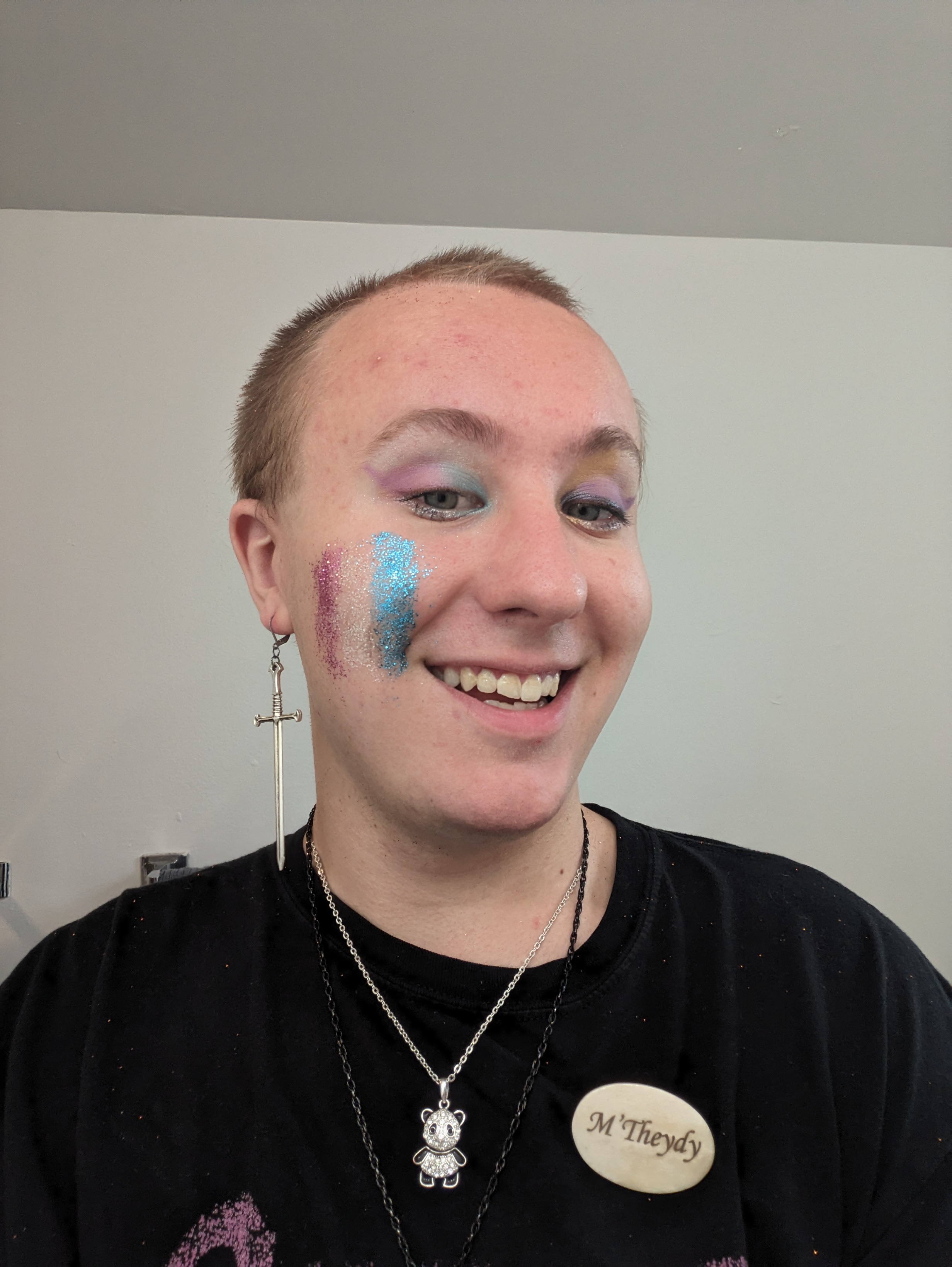
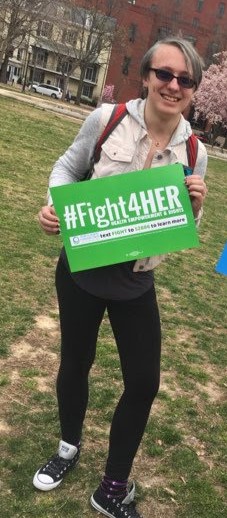
So I became louder. I wore clothing with pride flags and identifying words, and “women’s” clothing when I felt I could. I went to pride and marches and rallies. My voice echoed off of the uncaring stone walls of our nation’s capitol, and my throat ached from all the shouting.
Throughout high school, most of my friends were LGBTQ+. Some of them were out and proud with me. Some were only out to a select few. Others didn’t come out until years later, when they felt safe enough to do so.
Switching names or pronouns in front of different people became second nature to me. Hiding parts of myself, and my friends, in front of dangerous parents was exhausting, but necessary. I never blamed any of my friends for this. Each of them was surviving in the best way they could.
There is no one right way to survive. That’s the biggest message I want you to get from reading this. As long as you aren’t harming others, you’re good in my book. You’ll do what it takes to keep yourself safe. Surviving as an LGBTQ+ person in America is damn hard right now. Don’t make it harder by shaming yourself.
Not everyone is an activist, and that’s ok.
Or, should I say: not everyone is the activist the media wants them to be.
The loudest body of activists is the one organizing and attending all the protests, rallies, sit-ins, marches, etc. These people do amazing work. However, many people have a strict mental association of this as the only type of activism. That’s simply not true. It also erases some of the most effective and persistent methods of activism (and survival) from history.
I’m trying to avoid going too deep here, as Rachel and I have at least one (and hopefully more) posts planned on this topic. I do want to share one more thing.
As a disabled, autistic trans person, going to rallies and marches is usually not possible for me these days. I don’t have social media to be loud on—and even that is minimally effective. Instead, my activism looks like:
- Writing blog posts like this one to share with others
- Incorporating my values and important issues into my work, both professional and personal
- Mentoring and teaching
- Creating safe spaces for marginalized folks to rest
- Resting and taking care of my own bodymind
Yes, you read that last one correctly. Rest and self-care are a part of activism. Without them, movements can only fizzle out. Whatever your activism—or lack thereof— know that you are doing something important just by keeping yourself alive. Sometimes, that’s the best you can do.
At the end of the day, it shouldn’t be our job to convince others we deserve human rights. But we pick up the torch and do what we must, when we can. I’ll say it once again: there is no one correct blueprint for LGBTQ+ survival.
Do you have other tips or reflections on surviving as an LGBTQ+ person, especially in school? We’d love to hear them! Let us know in the comments on this post if you’re so inclined.
Want to receive once-a-month updates from me, directly in your inbox? Add your email below to subscribe to my newsletter. To prevent spam, you may get a confirmation email asking you to confirm your subscription.
No Comments