Bipolar disorder research highlights

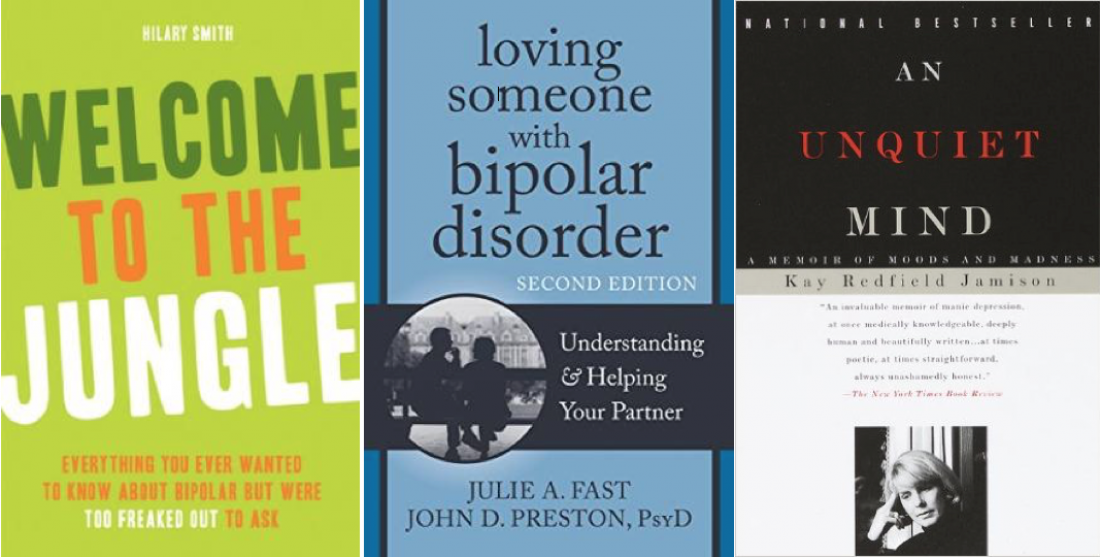
In my novel, My Year Zero, one of the most important characters has bipolar disorder. Since that's not my disorder, I set about researching it before I started drafting and throughout the editing. I read a half-dozen books, plus tons of blogs and studies. I also worked with a consultant who both has bipolar disorder and writes about it. I wanted to make sure that the character of Blake came across as realistically as possible. Of course doing all this research, I discovered great insights and tips that I want to share. I started using some of these with my friends and myself. They work not just for bipolar disorder, but for a variety of disorders and plain old challenging day-to-day mental states. Yes, you can date people with bipolar disorder Natasha Tracy's blogs: Bipolar Burble and HealthyPlace's Breaking Bipolar I found Natasha online while looking at popular bipolar blogs. I liked what she was writing, but the decision that I definitely wanted to work with her came after viewing her video about dating people with bipolar disorder. I thought she'd be an ideal advocate for Blake. And if you're curious about that video, here it is: Check out her blogs: Bipolar Burble and HealthyPlace's Breaking
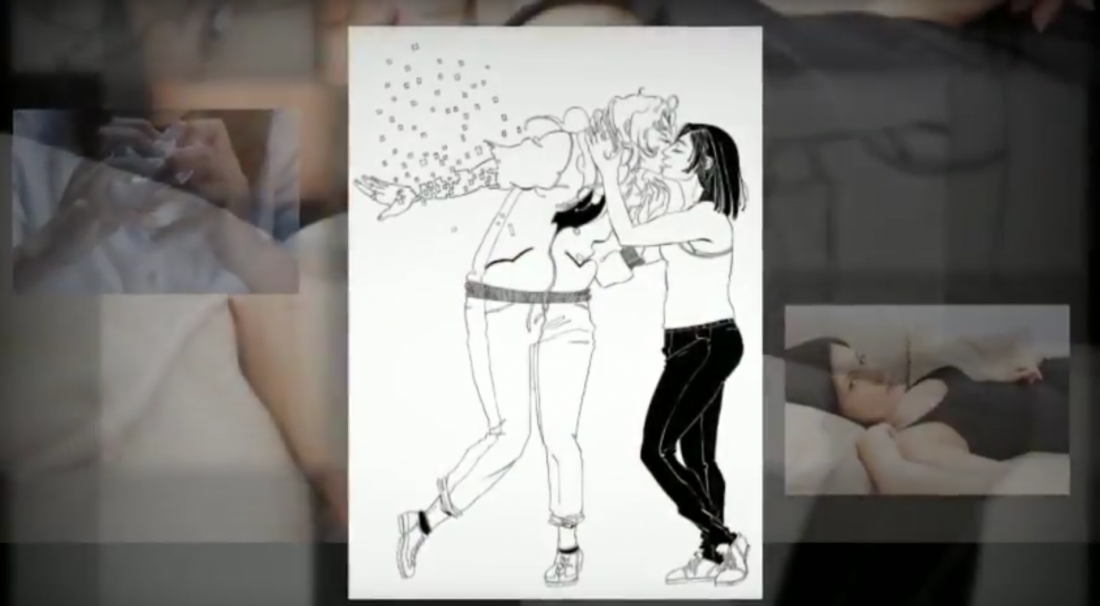
My Year Zero book trailer

My publisher put together a dramatic book trailer so you can get the feel for the main character's plight in My Year Zero. And I've got the first two chapters of the novel below if you want to read a sample and get excited for the launch with me!   Want to know more about the book? You can read the first two chapters here. Read the interview about the book on GayYA.org. Read my blog post about why I'm writing about mental health. I'll be live blogging on launch day so feel free to send me questions via the comment section below, or Facebook, Twitter (@rachelgold), Tumblr or email me at beingemily at gmail.

I’ve signed the contract for a Just Girls sequel

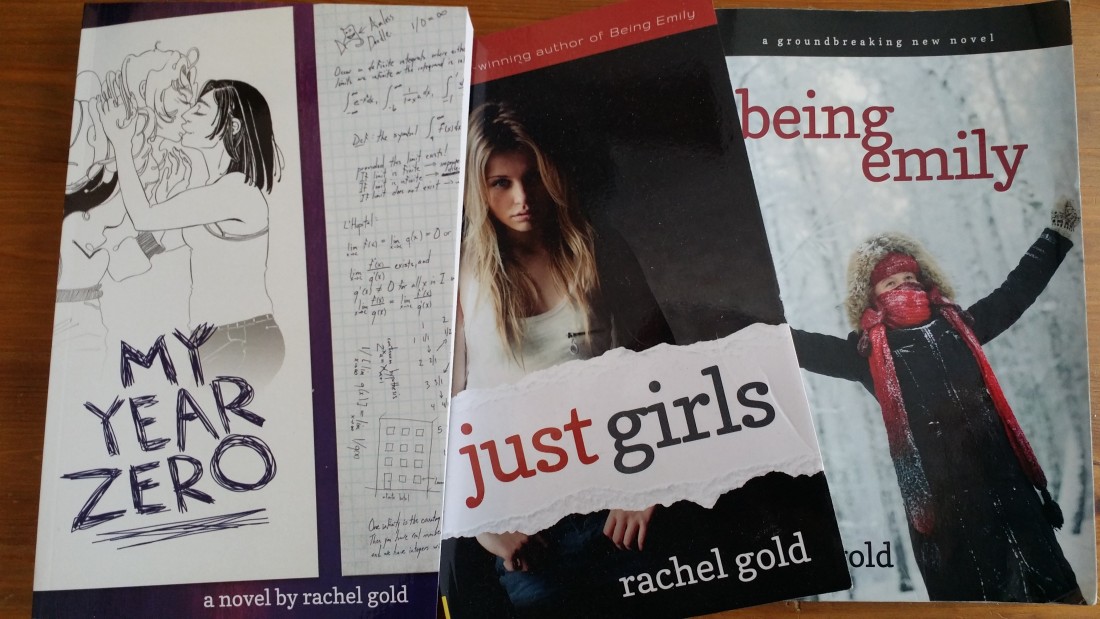
My third book is about mental health, not trans or gender issues, but if you loved those aspects in my first two books, never fear! This week I signed the contract for a sequel to Just Girls, due out spring of next year. (I even remembered to put the contract in the mail back to my publisher.) The sequel will start right at the end of Just Girls and follow the story of Tucker and Nico. Here’s how I pitched it to Bella: Tucker has been through the worst year of her life and only wants to put it behind her. Recovery time? Therapy? Who needs that? She wants to get back to normal life, but when she tries to be more than friends with Nico, she panics. Having lived genderqueer for years, Nico’s used to getting strong reactions, but isn’t prepared for this to come from Tucker. Plus a medical decision Nico’s been putting off for years can’t be delayed any longer. Nico’s body becomes a battleground for yos family, crushing Nico under conflicting pressures and the desire to have a relationship that could last. You’ll also get a look into Nico and Ella’s relationship when they were in high school together and

How to forget people’s names

I know, Dale Carnegie says, “Remember that a person’s name is to that person the sweetest and most important sound in any language.” I’ve read that a number of times over the years and every time my reaction is, “If that’s true, I’m screwed.” I’ve got a lot of valuable tips for you about how to forget names — a skill I’m extremely good at. But first let me set up some context about anxiety and ADHD and the overwhelming amount of information that comes with meeting people. My full diagnosis is ADHD and Anxiety with OCD traits. (That means I do OCD stuff but not at a level that screws up my life

Mental health and brain news – January 2016

As a brain geek, I like to keep up with what’s new and noteworthy. Below you’ll find headlines and highlights from last month. Click on any of the headlines below to read the whole article. From vicious cycles to virtual cycles: Bear with me through the two bad news items below to see two positive articles about ways to combat racism and how that helps everyone! Race a factor in repeated victimizations of people with mental illness African Americans who are mentally ill are at greater risk of being repeatedly victimized than are mentally ill white people, according to criminologists. Stress of Discrimination Can Harm Mental Health “In 2015, Gee and colleagues performed an analysis drawing from approximately 300 studies conducted around the world over the last three decades. This meta-analysis concluded that self-reported racial discrimination is consistently related to poor mental health.” Poor treatment based on race, ethnicity, sexual orientation and other factors can occur through interpersonal insults as well as through more insidious routes. “If you don’t get a job and you’re left to wonder whether it had to do with your race or gender, that can have an impact on your mental health,” Gee said. More recently, Mays has collaborated on a study showing that experiencing

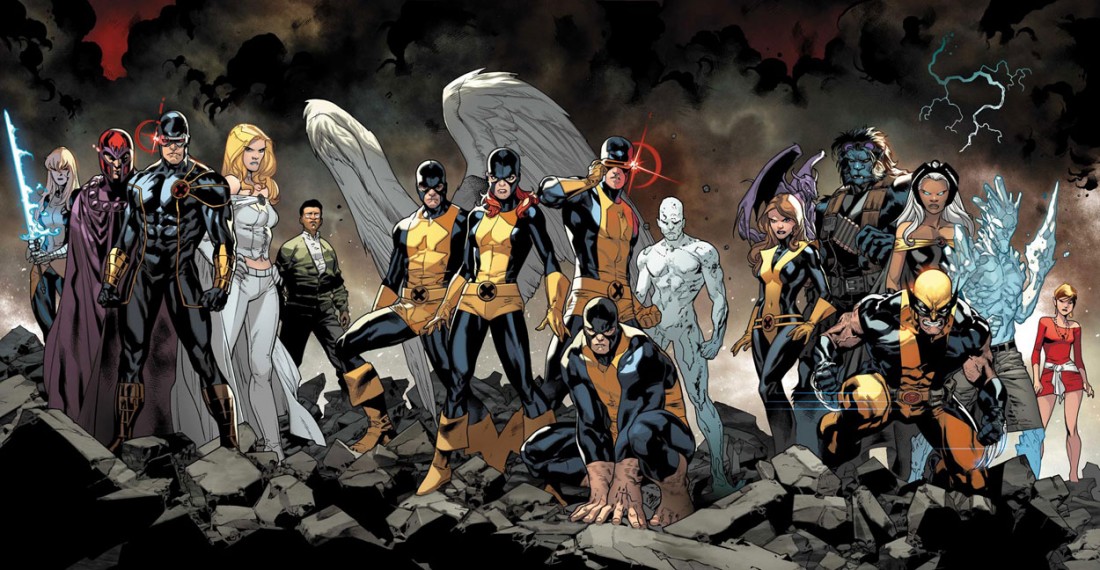
http://geek-lantern.com/new-x-men-dans-la-collection-marvel-now/

Disorder or superhero?

How do you talk to yourself about yourself? Out in the world, you might be someone with a disorder. But what do you tell yourself about your brain and who you are? How do we navigate a world in which it’s sometimes useful and necessary to think our ourselves as having a disorder — and then drop that label when it’s not empowering? I was lucky in some ways because I got labeled “gifted” when I was a kid. Some of my ADHD behaviors were (accurately) attributed to the fact that I was bored in school. But being a gifted kid didn’t explain why I was being bullied or why I struggled with simple tasks. It was a good label for making me feel powerful but it was a poor map for navigating the reality of my life. Would “ADHD” have been a better map and label? Maybe, but it comes with a big downside. Studies are beginning to show that when kids identify with the ADHD label, they perform more poorly on academic tasks. Jerome Schultz writes, “I believe that when a student does not understand his or her condition (in other words, his or her label), this can lead to a

Why is this novel about mental health?

If you read the interview over at GayYA, you’ll know I wrote My Year Zero in honor of my first girlfriend. (If you haven’t read the interview, feel free, I’ll wait.) When I met her we were both 16, both Scorpios (born nine days apart), both dark-haired and bright-eyed. And both struggling with our mental health. She was the first person I’d met who was forthright about having a diagnosis. From my perspective, she was totally cool about it. (From her perspective, I’m sure it felt a lot less cool.) She had bipolar disorder and was on meds for it and would talk about it openly. She was also great at listening to me without judgment and without a lot of advice. To understand how important this was to me, let me tell you a bit of my story. Bipolar’s not my disorder — ADHD is (attention deficit hyperactivity disorder). Despite the name, ADHD isn’t just about paying attention. It’s a change in how the brain’s executive functions work that pervades areas of focus, engagement, social cues, emotional regulation, impulsivity and hyperactivity. Lately there have been more books and articles about ADHD in women and girls, and these reflect my experience very accurately.

My next book’s cover has been revealed

The header at the top of the site gives a hint of it, but for the whole cover for My Year Zero, head over to GayYA. (There's also an interview with all kinds of info about the new book.) If you want to kept in the loop, sign up for my newsletter (over on the right-hand side of the page) or bookmark the My Year Zero page on this site. I'll be updating that with new info periodically. Also for fans of Just Girls and Being Emily, there is a sequel in the works but this isn't it. In 2017 we'll return to the stories of Tucker and Nico. In the mean time, I think you'll find a lot to like in My Year Zero.  

Just Girls discussion questions

Questions for Discussion: Just Girls by Rachel Gold Here's a list of questions for classrooms and book groups. Fair warning: there are more spoilers the further you get into the questions.   Ch. 1 How should the admissions department have handled having a trans girl in the dorms? If you were Ella, how would you want them to have handled it? Ch. 2 What did you think of Tucker coming out as trans even though she isn’t? What would you have done? Tucker and Ella come from different socioeconomic classes, how does this impact the options that are available to them and what they see as viable choices? What might it be like if their situations were reversed? Ch. 4 Before the administration will let Tucker move to Ella’s suite, they ask if she’s had “the surgery.” Our culture seems fixated on genitals. Is it ever okay to ask someone about the state of their genitals? Why or why not? Ch. 5 Getting a team for the Cruel 2B Kind game and then playing the game is one of the ways Ella becomes comfortable on campus. In addition to community, what are other positive effects of playing games? Have you ever had an experience where you could express yourself more fully

Being Emily discussion questions and resources

Thanks to the wonderful people over at RECLAIM for coming up with these questions and providing a training for their book circle facilitators. Please check out RECLAIM's website and don't hesitate to contact them with questions or support if you want to host a book circle in your community. RECLAIM works to increase access to mental health support so that queer and trans youth may reclaim their lives from oppression in all its forms. Being Emily Discussion Questions Chapters 1-2 What was your reaction when Chris(Emily) came out to Claire as transgender? Would you have responded differently than Claire did? Chapters 3-6 In these chapters we see both Claire and Chris(Emily) struggling. How are their difficulties the same, and how are they different? Chapters 7-12 In chapter 8 we meet Natalie. How does she compare to the portrayal of transsexuals we see in mainstream culture? Chapter 13 How do Dr. Webber and Dr. Mary Mendel compare as therapists for Emily? Which one more closely matches what you were expecting a psychologist to be like? In chapter 13 we meet the gender support group that Natalie attends. Did the diversity of the individuals there surprise you? Chapters 14-19 Assuming that you identify as cisgender (identify with the biological sex you were born