The science behind the new Being Emily

Because I like science, I read a lot of it while updating Being Emily. This ended up with many books and studies turning into only a few sentences on the page, but hopefully they’re the right, impactful sentences. Here are some of the core concepts I heightened or added in the new edition of Being Emily: Being transgender (and gender identity in general) is influenced to some degree by genetics, hormones and hormone receptors. It’s unclear whether gender identity is also influenced by the shape of your brain or your gender identity shapes your brain. Kids learn gender early and begin to have a gender identity at young ages. Many trans girls know they’re girls at early ages both consciously and subconsciously. Trans kids who can socially transition young are not at high risk for depression and anxiety. Here’s some of the science behind that understanding: Genetics, hormones and hormone receptors Laura Erickson-Schroth, MD, MA, examined over 60 years of studies about trans people to create the “Update on the Biology of Transgender Identity” published in the Journal of Gay & Lesbian Mental Health in 2013. She found that: “Overall, genetic studies suggest a possible heritable component to aspects of gender identity…” For example,

Continue Reading

Study expands understanding of nonbinary identities

A recent study displays the variety, diversity and wonder of gender identity among nonbinary people. As someone who struggles to describe my own sense of gender (when I have one), it’s deeply life-affirming to see other people say a lot of the same things I’ve said. Often when I’m trying to explain nonbinary genders to people, I have to start by explaining what binary means: “Woman/man, you have to pick from one of two categories, that’s the binary. Some people don’t fit neatly into those categories, they’re nonbinary.” After I say that, I often still get blank looks—because woman/man is so ingrained in our culture it doesn’t make sense to a lot of people (who fit inside that binary) that there are experiences outside of what feels to them like natural categories. When I get that blank look, I do some emotional math and try to figure out if it’s even worth having the conversation continue. The real question is: do I need to show up fully here? Seeing yourself reflected in a community signals whether or not it’s safe to show up. If there are already nonbinary people, if folks know what that means, and if the nonbinary people are being treated

Continue Reading
Buckle up, you’re blessed

Antidotes to the "Nashville Statement" If you missed it in the midst of the hurricanes, a bunch of fundamentalist Christians put out the “Nashville Statement” at the end of August, attacking LGBTQ people. This is nothing new, but it comes at a time when other attacks have been leveled against the LGBTQ community—and this can make it particularly scary and damaging. (If you’re not a reader of long blog posts, please scroll to the video below in the seat belt section and watch that. It will make you smile and feel wonder, joy, blessing or all three.) I was a young reporter for an LGBTQ paper in the 1990s when the ex-gay movement was strong and vocal. It frightened and confused me to see these people so adamant not only that their religion prohibited homosexuality but that they could “cure” it. This wasn’t at all my experience of religion or the Sacred. You have to go through a lot of contortions to get from a loving God who teaches compassion to the ex-gay movement. And now we’re there again, so I’m adding my voice to the loud chorus of religious and spiritual people pointing out that the “Nashville Statement” is not about religion nor

Continue Reading

How to build resilience in trans kids (and everyone else)

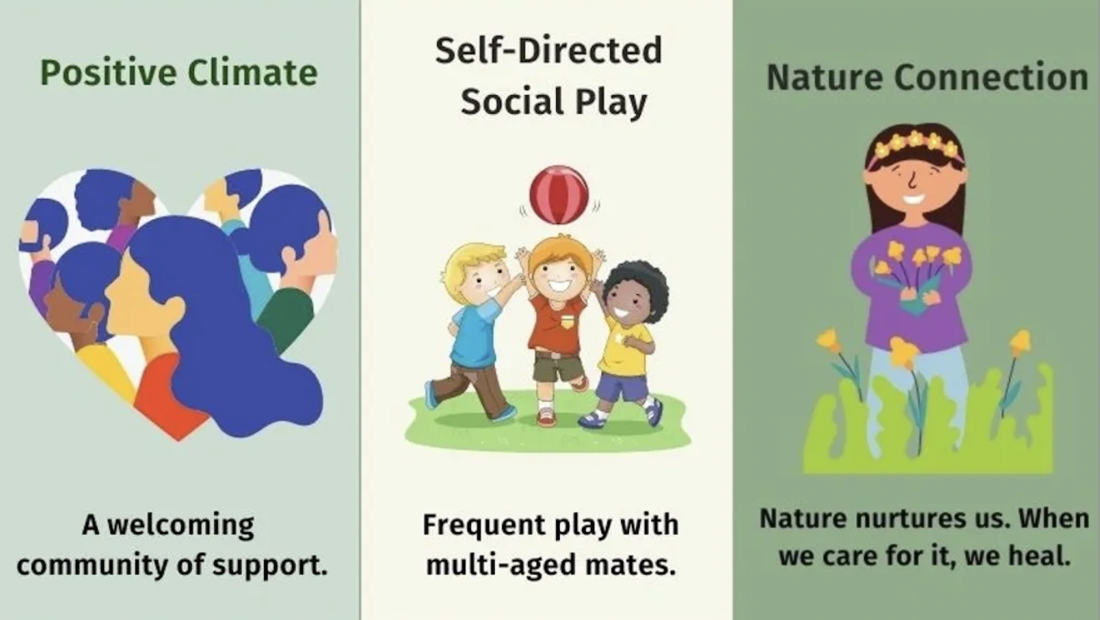
With all the focus on awful government news these days, it’s easy to forget how much power we have as individuals—and as a thriving community of queer and trans people and our allies. Let’s not get locked in to planning for the next 4 years. Let’s also look at the next 40 and the next 400. We need queer and trans kids to grow up resilient and become powerful adults. We know this is possible because we have powerful queer and trans adults who grew up when U.S. culture was worse than it is now for queer and trans kids. Remember the 1980s? Or the 1950s? Each of us has the opportunity to help build resilience in each other and in the next generation of queer and trans kids. Let’s look at how we do this: According to a great Harvard article, the common factors that “predispose children to positive outcomes in the face of significant adversity” are: facilitating supportive adult-child relationships; building a sense of self-efficacy and perceived control; providing opportunities to strengthen adaptive skills and self-regulatory capacities; and mobilizing sources of faith, hope, and cultural traditions. Here are action steps each of us can take to make those factors widely available to our

Continue Reading

Taking care of yourself in tough times — a guide for the neurodiverse

You might not need this post, but I do. It started as a note to myself about what works. Some of it might also work for you. And I’m sure I missed some things. Feel free to add in the comments. If you’re like me, you’re different from a lot of the people around you: You might have more trouble letting go of obsessive negative thoughts You might get easily triggered into traumatic states You might be prone to spirals of anxiety or depression that are really hard to stop You might feel that you’re the one responsible for fixing the world You might absorb feelings and energy from the people around you, even if it makes you sick One great thing is that you know this about yourself. Also there are a lot of simple steps you can take to be strong and healthy. Here's my list: Disconnect from stressful inputs Turn. It. Off. Whether your stressful input of choice is TV news, Internet news, Twitter, you can turn it off. Turn off notifications. Turn off integrations (like Facebook chat linking to your phone’s texting). Do not let disturbing information catch you off guard. You can look at it when you’re well and ready and feeling powerful. You can

Continue Reading