Reading about race

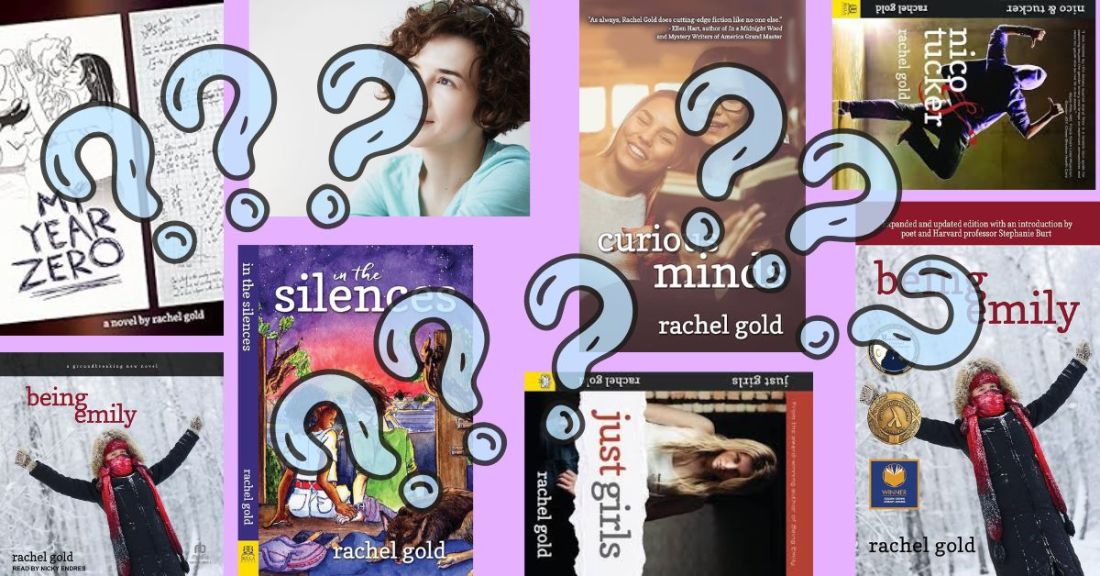
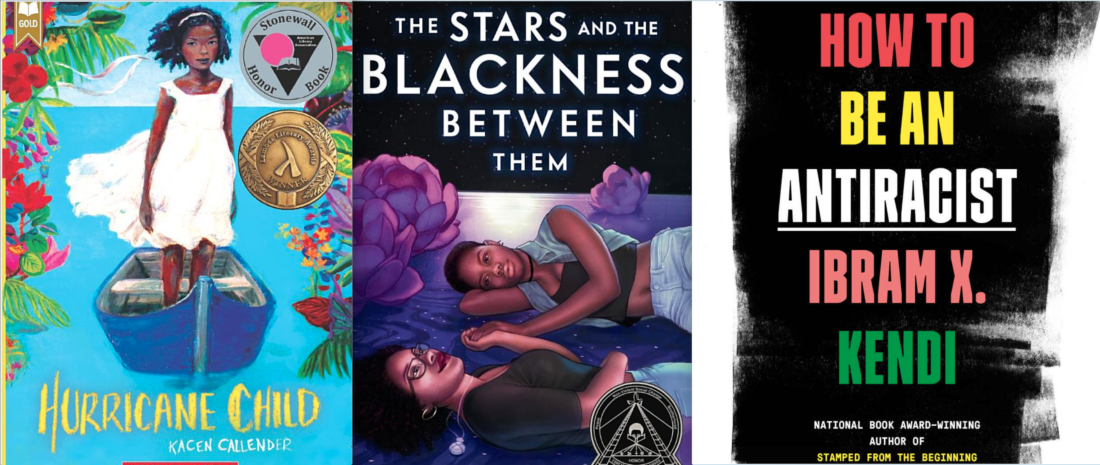
Hi! As you can see from the dates on these posts, I’ve been away from my website for a while—teaching LGBTQ Literature at Macalester. (More about that in a future post). I did pick the wildest semester to start teaching college with a global pandemic in the middle of it. And also I live in Minneapolis, which is hopefully ground zero for the revolution, so let me formally start this post saying: Black Lives Matter My recent novel, In the Silences, is about a white teen learning to be a good ally, to see their implicit bias and to talk to other white people about implicit racism. It includes much of what I have to say on the topic and I’ll repeat some of it below. (This is primarily about the anti-blackness component of racism in the US. I know racism is broader than that and will write about it more broadly in the future. This post focuses on anti-black racism.) First, here are some of the books I read that I recommend specifically to other white people: So You Want to Talk About Race by Ijeoma Oluo – Great basic primer. You can jump to chapters on topics you have the most questions

Continue Reading

How to build resilience in trans kids (and everyone else)

With all the focus on awful government news these days, it’s easy to forget how much power we have as individuals—and as a thriving community of queer and trans people and our allies. Let’s not get locked in to planning for the next 4 years. Let’s also look at the next 40 and the next 400. We need queer and trans kids to grow up resilient and become powerful adults. We know this is possible because we have powerful queer and trans adults who grew up when U.S. culture was worse than it is now for queer and trans kids. Remember the 1980s? Or the 1950s? Each of us has the opportunity to help build resilience in each other and in the next generation of queer and trans kids. Let’s look at how we do this: According to a great Harvard article, the common factors that “predispose children to positive outcomes in the face of significant adversity” are: facilitating supportive adult-child relationships; building a sense of self-efficacy and perceived control; providing opportunities to strengthen adaptive skills and self-regulatory capacities; and mobilizing sources of faith, hope, and cultural traditions. Here are action steps each of us can take to make those factors widely available to our

Continue Reading

2017 Year of Love

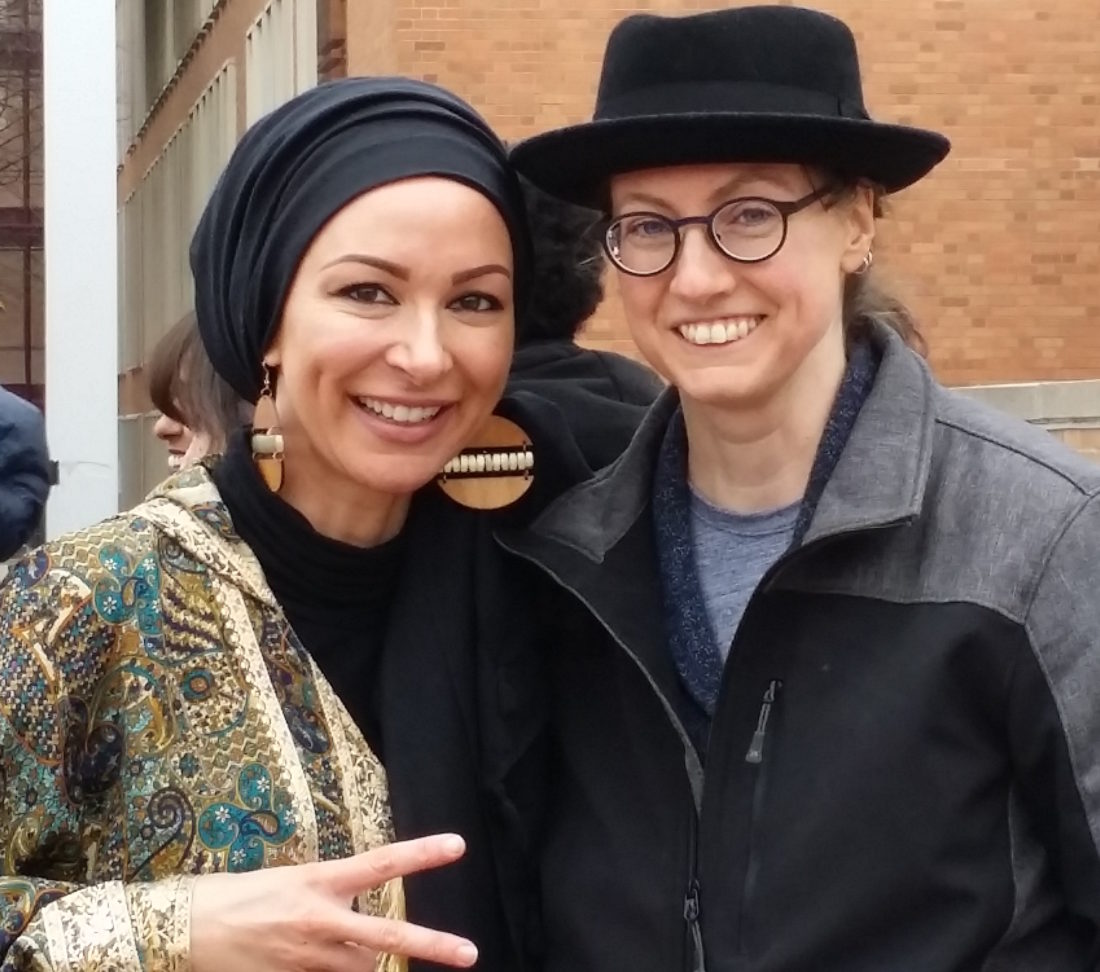
[Pictured above Amirah Sackett (left) and Rachel Gold at the Caravan of Love march in Minneapolis, Feb. 11, 2017.] I’ve had some restless nights since the current regime was elected. Woke up panicky, wondering if they’d come for me. But I realized it wasn’t me they’d come for this time. Queer, white Jews in American—not the top of the hate list at the moment. We're more in the middle. I started making lists of my friends, ranking them by the most vulnerable, so I’d know who to keep tabs on. That was November. Now I’m making lists of who to pay attention to so I know when to show up and be part of the beautiful coalitions that are forming. I’m making lists of where I can make the biggest difference. I’m getting really excited for the next two-to-four years. It’s not going to be easy or comfortable, but we have one of the best opportunities in recent history to build immense coalitions across the U.S. and change the future for good. Yesterday I attended two wonderful events that illustrated this: Reclaim’s annual “Celebrate the Love” brunch and “MN Caravan of Love: A Walk of Love for Immigrants & Refugees.” So much love! Reclaim’s mission

Continue Reading
Book insight: FAST MINDS

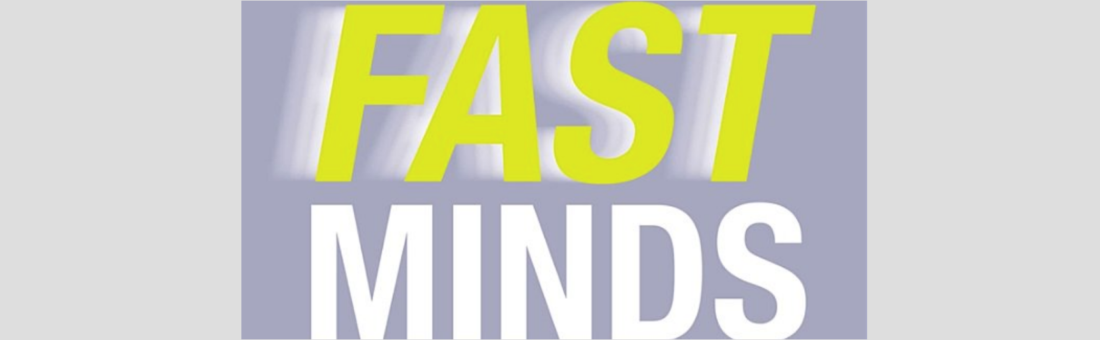
FAST MINDS is a great book for people with ADHD/ADD that does not pathologize our diverse brains. The authors write: Having FAST MINDS traits can mean there is a mismatch between the way the brain works and the demands of life. It’s a way of thinking and being that makes it harder to function in today’s world. The is the single most pragmatic and actionable ADHD book I’ve read in the past few years. I found a lot of it extremely useful. Some of the tips I’d already implemented over the years, but even then they usually had good input. If you need to skip science and theory for now and start making changes in your life to make it more workable, start here. It’s also got helpful information for partners and family members of people with ADD/ADHD or FAST MINDS (they’re used interchangeably in the book). If you’re wondering what FAST MINDS stands for, here’s the list from the book, slightly abbreviated: FORGETFUL: Do you forget what people have told you? Do you forget where you put things? Do you need reminders for every day things? ACHIEVING BELOW POTENTIAL:Do you feel you should be getting better grades than you do at school, or should have

Continue Reading

The My Year Zero cover explained

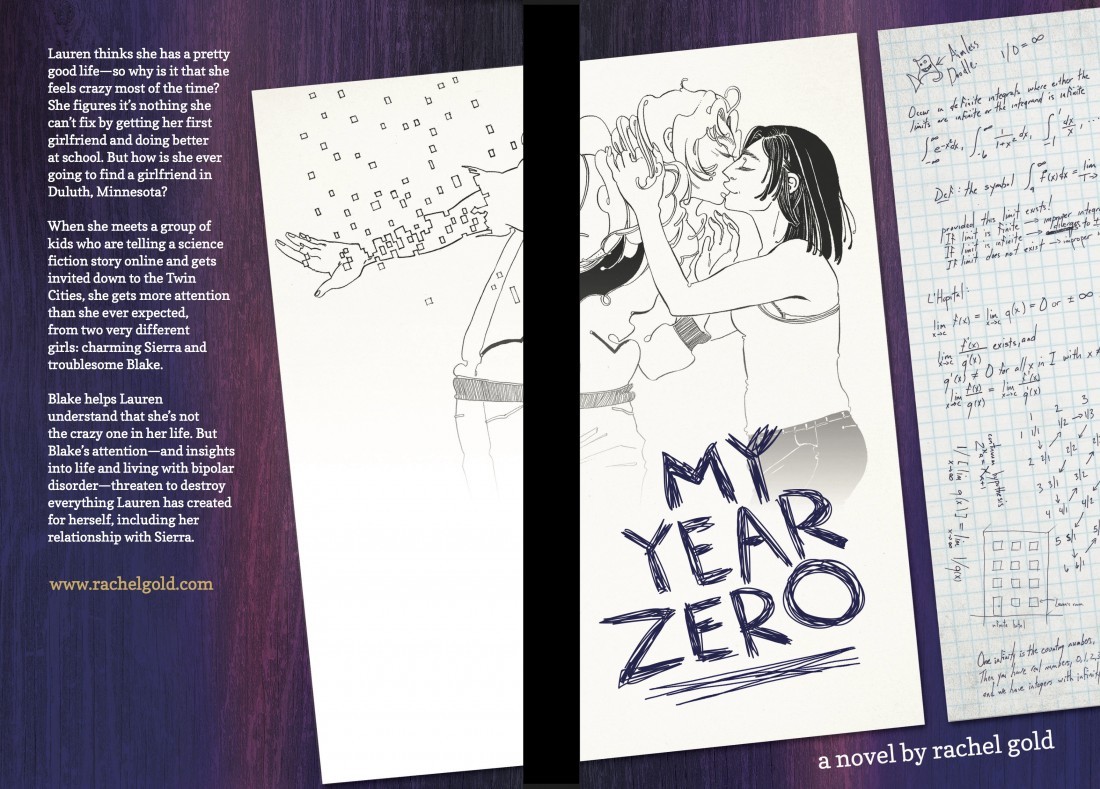
I get more input on my covers than most traditionally published authors. This is because I have a marketing background and access to an amazing graphic designer, and because my publisher is awesome. So I can actually tell you some of what went into that cover. I worked with Kristin Smith, who designed the covers for my two previous YA novels, and brought in illustrator Alexis Cooke. Alexis was particularly ideal for this project because her illustrations frequently have mental health themes in them. Go check out more of her art here, I'll wait. The layout I wanted to do something different from the Being Emily and Just Girls covers to show that this is a different story. Also the main character is an illustrator, so it seemed natural to have an illustration on the cover. We looked at a lot of popular book covers that utilized illustration -- and that’s as far as my thinking went. The layout was all Kristin’s genius. I asked Kristin how she came up with the idea of two off-center pages: Since we wanted the cover to showcase the two main characters, and already had the page with Lauren’s drawing, we decided to add a second sheet

Continue Reading

Mental health and brain news – January 2016

As a brain geek, I like to keep up with what’s new and noteworthy. Below you’ll find headlines and highlights from last month. Click on any of the headlines below to read the whole article. From vicious cycles to virtual cycles: Bear with me through the two bad news items below to see two positive articles about ways to combat racism and how that helps everyone! Race a factor in repeated victimizations of people with mental illness African Americans who are mentally ill are at greater risk of being repeatedly victimized than are mentally ill white people, according to criminologists. Stress of Discrimination Can Harm Mental Health “In 2015, Gee and colleagues performed an analysis drawing from approximately 300 studies conducted around the world over the last three decades. This meta-analysis concluded that self-reported racial discrimination is consistently related to poor mental health.” Poor treatment based on race, ethnicity, sexual orientation and other factors can occur through interpersonal insults as well as through more insidious routes. “If you don’t get a job and you’re left to wonder whether it had to do with your race or gender, that can have an impact on your mental health,” Gee said. More recently, Mays has collaborated on a study showing that experiencing

Continue Reading
http://geek-lantern.com/new-x-men-dans-la-collection-marvel-now/

Disorder or superhero?

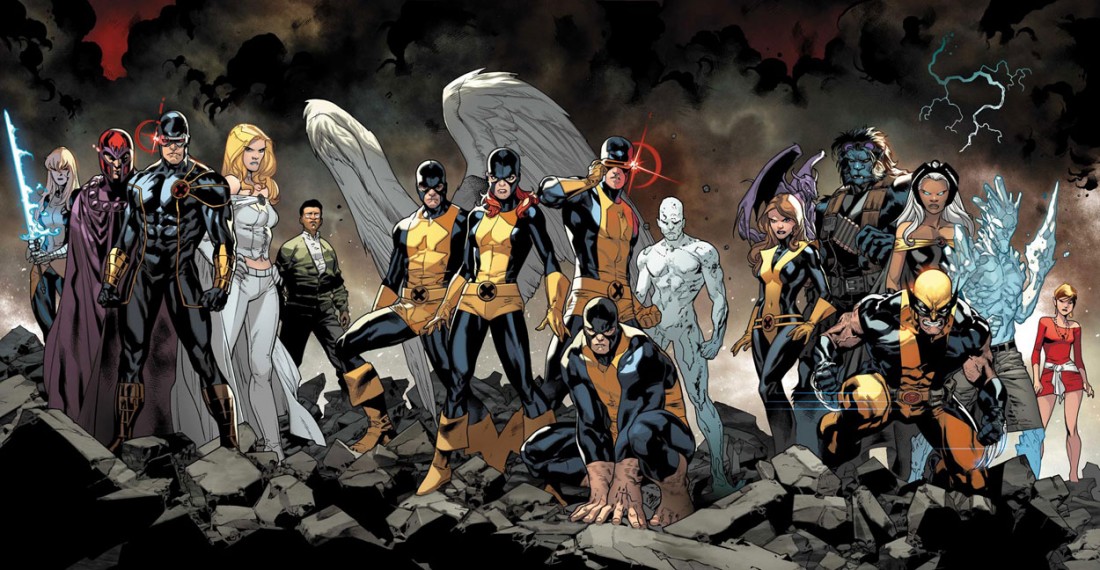
How do you talk to yourself about yourself? Out in the world, you might be someone with a disorder. But what do you tell yourself about your brain and who you are? How do we navigate a world in which it’s sometimes useful and necessary to think our ourselves as having a disorder — and then drop that label when it’s not empowering? I was lucky in some ways because I got labeled “gifted” when I was a kid. Some of my ADHD behaviors were (accurately) attributed to the fact that I was bored in school. But being a gifted kid didn’t explain why I was being bullied or why I struggled with simple tasks. It was a good label for making me feel powerful but it was a poor map for navigating the reality of my life. Would “ADHD” have been a better map and label? Maybe, but it comes with a big downside. Studies are beginning to show that when kids identify with the ADHD label, they perform more poorly on academic tasks. Jerome Schultz writes, “I believe that when a student does not understand his or her condition (in other words, his or her label), this can lead to a

Continue Reading

Age & Time part 2: author edition

In a fun confluence of events, just after Kristin published my guest blog about inspired age math and how to not freak out about being over 40, my publisher asked me last week if I was under 35 so they could submit me for an award given to young authors. I had to tell them I’m not under 35 (as you can see in the blog I wrote for Kristin, I’m 42). And then like every other adult in American culture, I freaked out for a little while thinking that I was too old and had waited too long to get published. The inside of my head sounded like this: Why didn’t I get published younger? What kind of failure is it that I’m not eligible for a young authors award even though I only have two books out? What did I do wrong? Culminating in: Oh my God, I wish I’d been first published at 30, not 40! Luckily I have a habit of at least trying to critically listen to my ego when it goes on a rant like that, so I delved more deeply into that statement. Is it really true? Not quite. What I really wished was that I was first

Continue Reading

Solving Gender Neutrality (at least at WisCon)

Being on the “Solving Gender Neutrality” panel at WisCon over Memorial Day weekend got me thinking about gender more deeply than usual the past few weeks and two things occurred to me: 1. I want to alter my language more because “dude” just isn’t gender neutral like I want it to be. 2. Non-binary femme should be a thing. The first is pretty straightforward and I’m cheerfully accepting better synonyms for “dude,” which I generally use to mean: person I’m fond of in a co-player sense. Coming from a gaming context, I use it for both men and women, but then I realized that if you don't know that and you randomly hear me use it, it sounds just a gendered as people who think there's such a thing as using male pronouns as a universal. So far my favorite suggestion for a replacement has been, “Peep!” We’ll see if I can rock that. On to #2. Trying to describe my gender in an email to the other panel members for "Solving Gender Neutrality" in the week before the panel was a lot harder than I expected. (If you want the excellent list of resources put together by another panel member, it's online at:

Continue Reading